They're nodding, but are they learning?
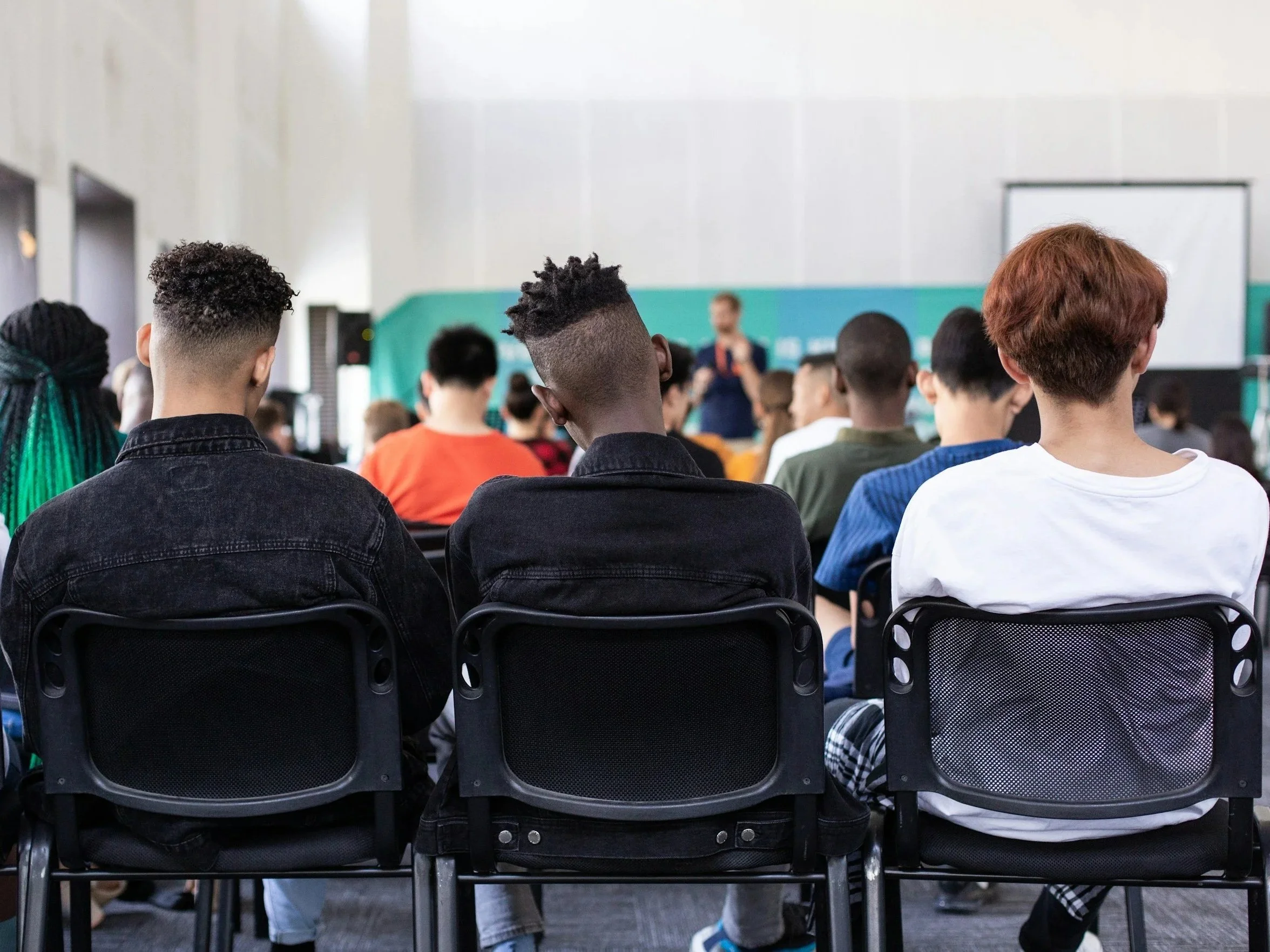
You’re full flight in the middle of a lesson, maybe explaining a concept or working through a problem. Press pause. Here, right now, how do you know your students are learning?
Don’t wait until the next assessment task or the final exam. Don’t even wait until you glance through homework (of those who completed it). Right now, is learning taking place?
Why you need to know now
If students aren’t learning, the problem compounds. They’re not going to master the foundations, which will make it more difficult to build and apply additional content. It’s also going to take you time to reteach key content and help these students catch up.
We want to be proactive in identifying and addressing gaps in student knowledge. And we want to include the whole class in our efforts.
Ineffective strategies to check for understanding
FYI: I’m guilty of using all of these. Here’s some examples:
Asking broad, whole class questions like, “Does everyone understand?”, “Anyone have questions?”, “Ok to move on?” If I’m met by silence, what does that really show me — that students are clear on things or having problems? I need more detail; I need more info on individual students
Relying on hands up. I would typically see the same people volunteering answers or asking questions. What about the rest of the class?
Not regularly checking students’ in-class work. A student looks engaged, but what have they written down? How are they answering the questions — on track, close or way off base?
Waiting until tests — formal or otherwise. I might be getting crucial info too late.
More effective strategies to check for understanding
For this, I want to highlight low stakes and low effort formative assessment strategies. The kind of things that won’t burden your work load or unduly stress students.
Here are some of my favourites:
Adding multiple choice or true/false questions at regular intervals. And asking students to write down their responses first, rather than yelling them out or showing their hands. This gives everyone a chance to answer, and I can glance at responses as I move around the room
Asking for explanations as to why the incorrect answers were, well, incorrect. I’m using the same multi or T/F questions from the point above, but here I’m asking students to explain why the other answers were wrong. I think the gold standard is for students to explain it to you verbally, but good luck doing this with a whole class on the regular. Instead, you could have students add a line or two of explanation to their notes. And I’d be very clear that stating, “Because it’s wrong” is not a sufficient explanation (modelling can help here)
Giving students a response to correct. Here, I would create a ‘student’ response with a number of errors in understanding. It would be based on the key content we’d been studying. I ask students to identify the mistakes and then correct them, providing the correct content or connections. This takes a bit more teacher effort, but I do find students love playing the teacher and going hard as a marker
Asking students to develop their own questions to check on understanding. They’ve done the content — how would they assess if a student understands it? This could be done in pairs or groups, giving you more opportunity to speak with students and see what approach they’re taking. Are they covering off the key elements? Have they caught the key connections? Is there something crucial being missed?
What can you do in your next lesson to check that all students are learning?